01
pre-training
Trained on 66k synthetically generated CAD models to teach fundamental design elements such as holes, cut-outs, bends, flanges, and joining features.
Despite modern engineering organizations managing thousands of CAD parts, most geometry data remains unstructured and underutilized. Manual feature extraction, classification, and validation consume valuable engineering time and introduce inconsistencies.
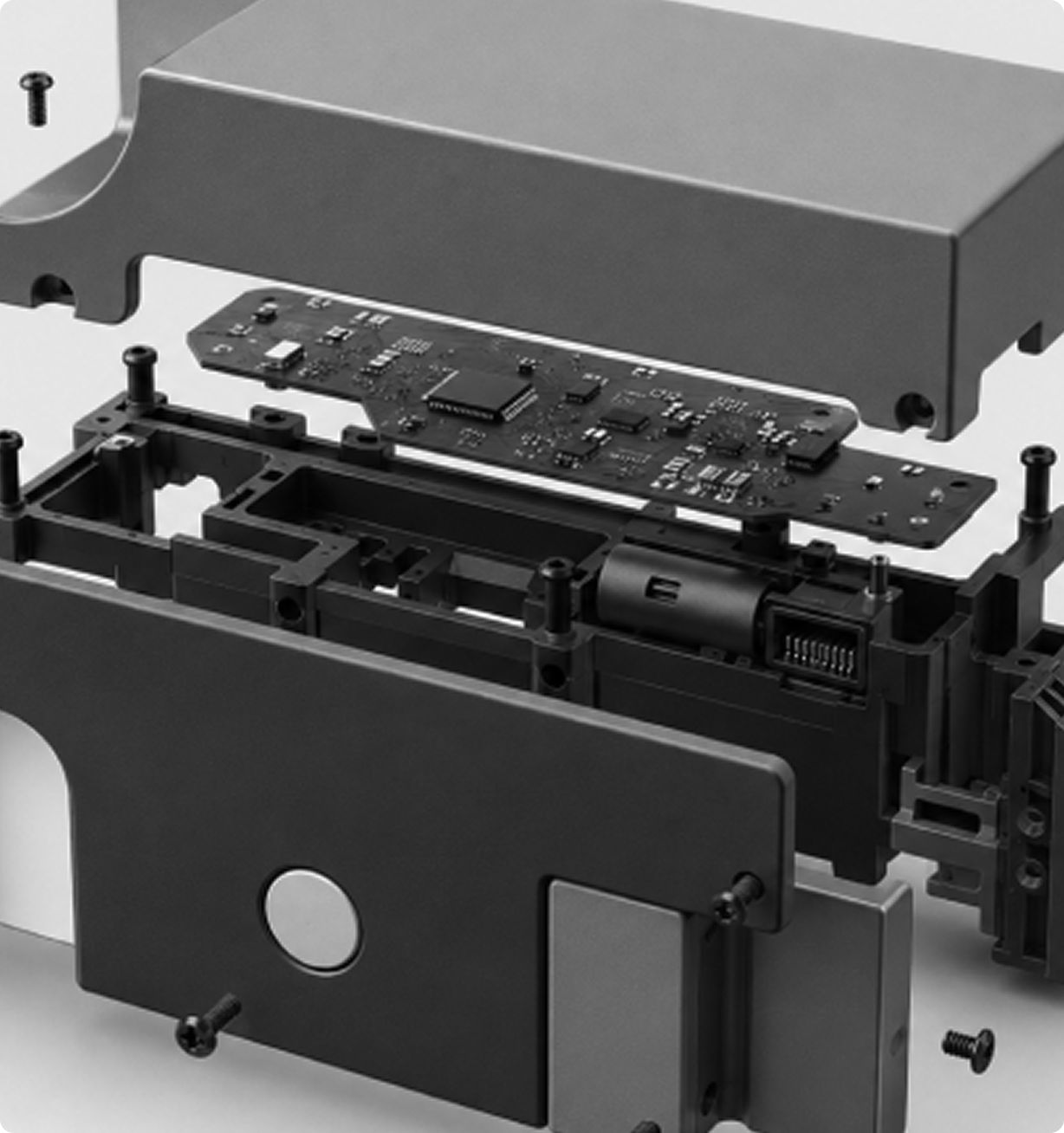
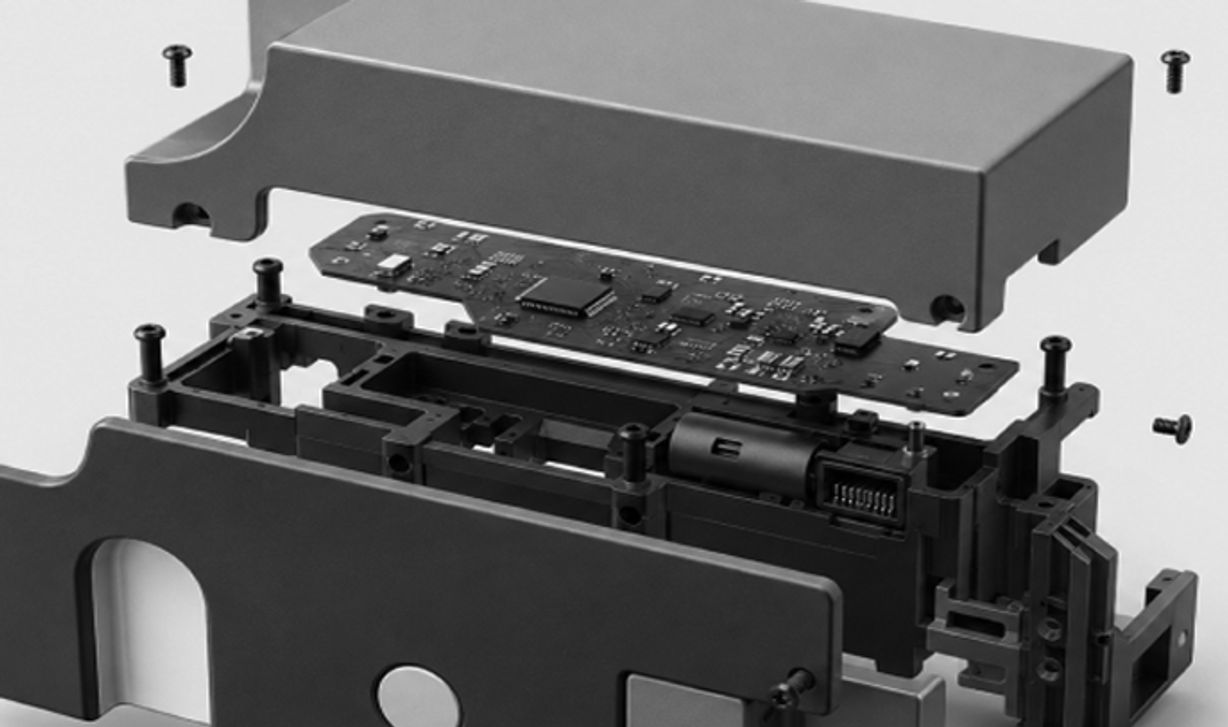
Manual feature extraction, classification, and validation consume valuable engineering time and introduce systemic inconsistencies.
This is not an engineering failure. It is a process failure.
One engine. All geometry data.
vetta automatically processes every legacy part, synthetic design, and validation rule into one continuously learning geometry intelligence matrix. Engineers can instantly classify complex components, extract cost-relevant geometric features, and catch structural anomalies directly from raw 3D data files.
Three steps from raw geometry
to CAD intelligence
pre-training
Trained on 66k synthetically generated CAD models to teach fundamental design elements such as holes, cut-outs, bends, flanges, and joining features.
fine-tuning
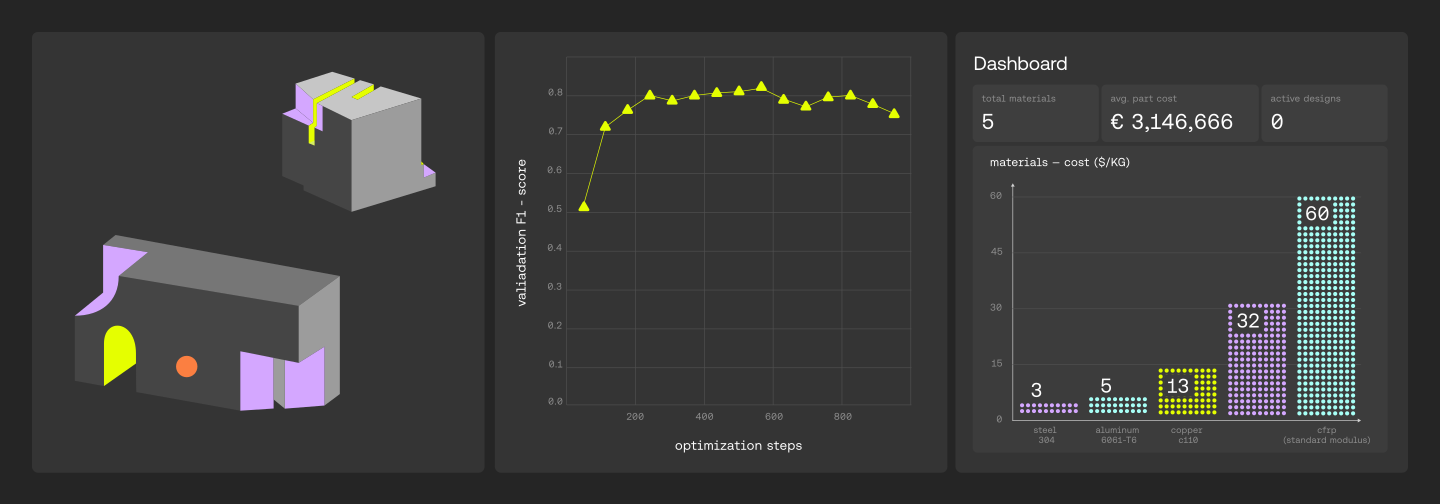
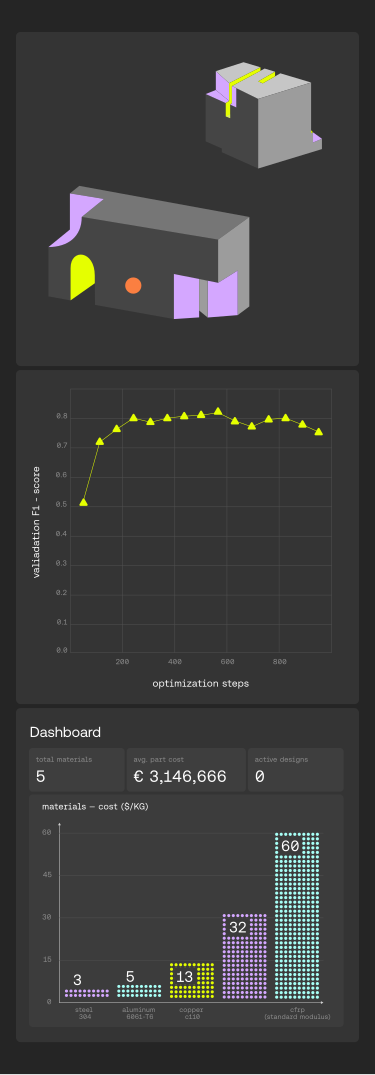
The model is fine-tuned on customer-specific CAD datasets and desired model outputs, such as cost-relevant features and company-specific part classifications.
manage your intelligent CAD database
For any new CAD model, the system automatically predicts the desired outputs. Save, track, and manage all models within one unified interface.
use cases
What your team
can do with it
automated feature extraction
Instantly identify cost- and manufacturing-relevant geometry attributes. Prevents redundant redesigns, cleans up cluttered databases, and allows engineers to instantly retrieve existing parts instead of starting from scratch.
design optimization enablement
Couple automated geometry analysis with downstream evaluation engines to enable fully closed-loop design optimization workflows.
intelligent part classification
Automatically group parts by function, structure, or production method. Accelerates the quoting process and improves pricing accuracy by eliminating the manual, subjective counting of features and material requirements.
anomaly & error detection
Detect missing features, inconsistent geometry, or direct deviations from design rules. Ensures that downstream tools and manufacturing teams only receive clean, validated datasets, preventing expensive delays on the production floor.
how we deploy
Not a pilot. A permanent
operating relationship.
Fine-tune the base model on your data, validate part classification, and map design tasks relevant to your organization.
Payback in months, not years
One unified CAD intelligence model trained on your historical design engineering data, deployed
securely inside your own infrastructure.
95% less manual extraction
30% faster design loops
instant part classification