01
database harmonization
Consolidated data pipeline strategy to enable the formation of a unique harmonized database comprising multi-modal data from real crash or simulated crash measurements.
While high-fidelity crash simulations are critical for vehicle safety certification and structural optimization, analyzing the output data they generate remains a massive bottleneck for CAE teams. Safety engineers currently spend countless hours manually post-processing complex animation files and reviewing thousands of energy and force curves.

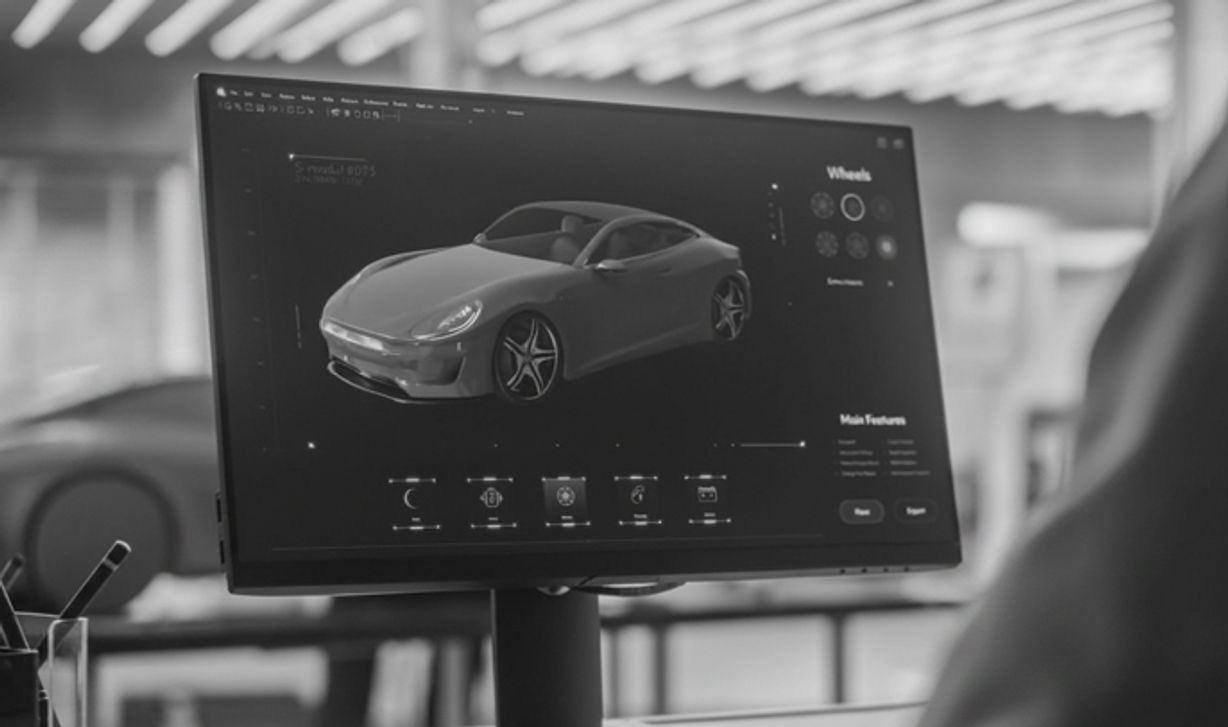
Safety engineers lose valuable time identifying numerical errors, mesh instabilities, or physical anomalies — a tedious process that delays design iterations and wastes expensive compute resources.
This is not an engineering failure. It is a process failure.
One platform. All crash insights.
vetta harmonizes every multi-modal physical measurement, historical report, and raw high-fidelity CAE simulation result into one unified safety intelligence framework. Validation teams can systematically flag unphysical behaviors, isolate component contact errors, and accelerate structural design iterations automatically.
Three steps from raw simulation
data to crash intelligence
database harmonization
Consolidated data pipeline strategy to enable the formation of a unique harmonized database comprising multi-modal data from real crash or simulated crash measurements.
model pre-training & fine-tuning
Trained on 100+ synthetic and real crash test simulations to take into account the dynamics of vehicle parts under specified crash conditions. Direct model adaptation is applied to your specific vehicle designs.
part design screening and analysis
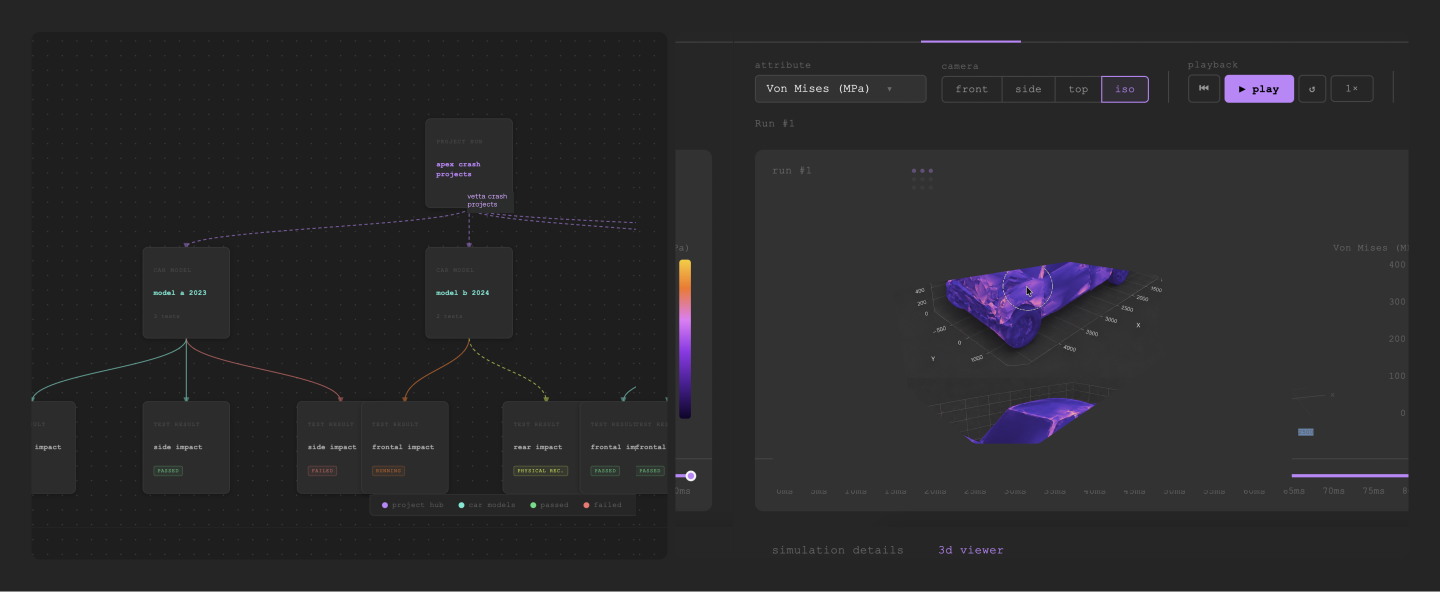
Feed design and crash test specifications along with metadata to enable automated harmonized database ingestion, AI-supported anomaly detection, and direct comparison with historical tests.
use cases
What your team
can do with it
build a crash test knowledge graph
Automated comparison of crash tests and simulation results. Enables data and technical documents to be easily accessible, fostering cross-team collaboration within different vehicle engineering projects.
systematic anomaly detection
Automatically check new simulation iterations for internal errors, mesh bugs, or physical anomalies based on historical structural data and similar model comparisons.
crash test insights
Pinpoint root engineering causes by delivering detailed reports about comparison insights and detected structural anomalies. Swiftly isolate specific components or material properties that led to unexpected unphysical behavior.
agentic workflow with data and tests
An active conversational AI chat assistant built to deep-dive into complex simulation results. Instantly retrieve relevant information across vast historical simulations and receive plain-text explanations of complex graphical results.
How we deploy
Not a pilot. A permanent
operating relationship.
We build a processing pipeline for multi-modal data ingestion — design documents, videos, telemetry images, and CAD — to consolidate real and simulated crash tests.
Payback in months, not years
One unified platform for real and simulated crash data, deployed
securely inside your own infrastructure.
70% faster insight generation
30% compute cost savings
unified data landscape