From 18 Months to Weeks:
AI-Powered Battery Development for
a Global Cell Manufacturer
Global battery manufacturer developing lithium-ion cells for EV and energy storage applications.
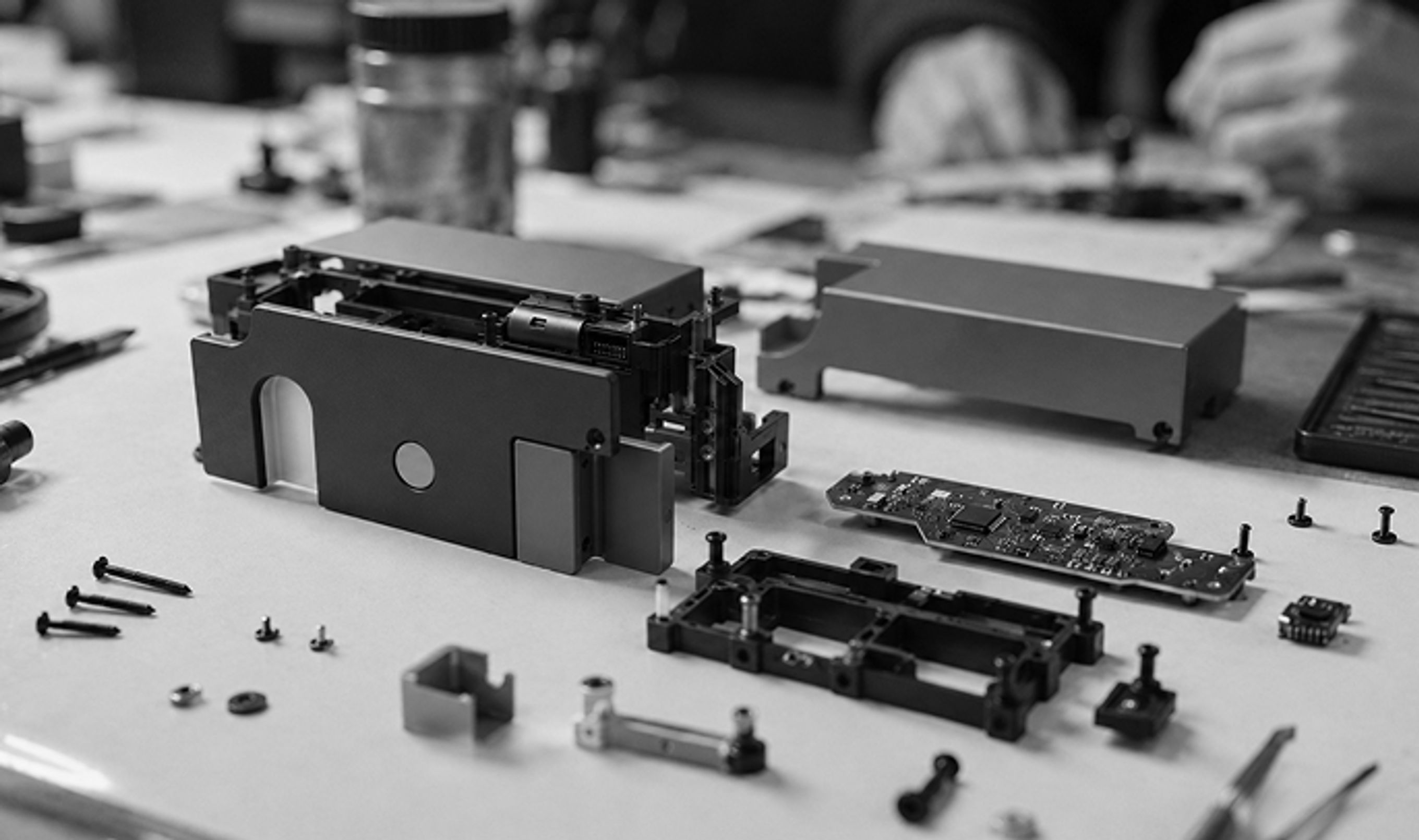
The situation
Your engineers are making decisions before the data exists.
Battery validation requires testing across temperatures, charge rates, SOC windows and usage profiles. Full aging programs often take 12–18 months to complete.
Meanwhile, design, sourcing and validation decisions must be made long before the final results arrive.
The challenge
How vetta changes the process
vetta combines historical tests, simulations and new validation data into a single battery intelligence model. Weeks of testing become years of insight.
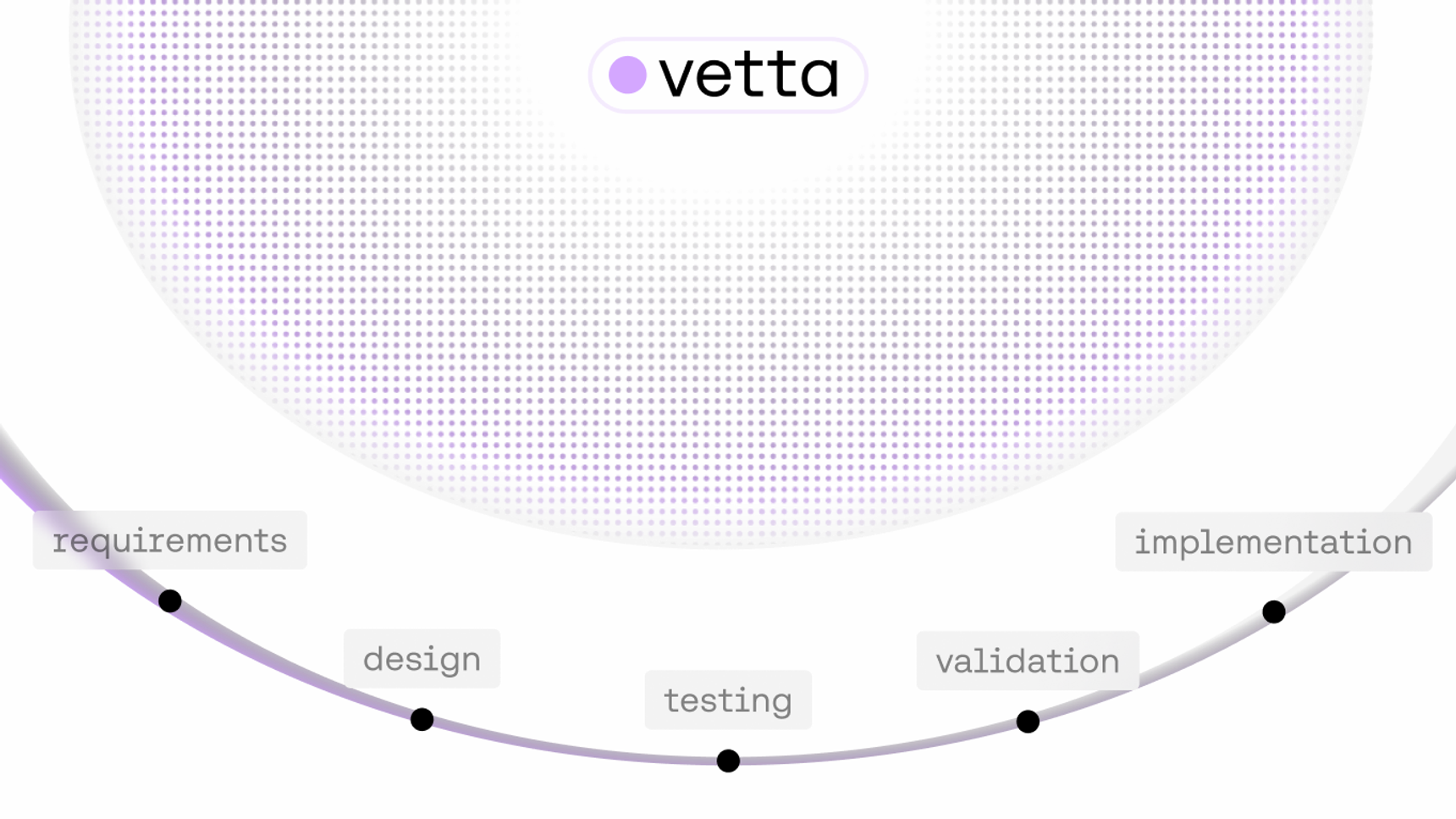
The approach
A model trained on the industry's data — and the customer’s
Sphere deployed vetta Battery Intelligence — an AI model pre-trained on thousands of real battery tests and physics-based simulations built up over years. Rather than starting from scratch, vetta already understands how batteries degrade.
It was then fine-tuned on the client's own proprietary test data, building a model calibrated to their specific cell chemistries. The fine-tuned model — and all the intelligence it contains — belongs entirely to the client, deployed within their own infrastructure.
What changes for the engineer
Instead of waiting a year for test results, an engineer feeds the first few weeks of cycling data into vetta. The model returns a complete picture: how the cell will age, how it will perform across different conditions, and where the design boundaries lie.
Decisions that previously required full test campaigns can now be made early — with confidence and with the time to act on them.
The results
The engagement moved directly from proof-of-concept to production deployment.
vetta became part of the client's battery development workflow, supporting ongoing cell validation and lifetime prediction.