Requirements Engineering:
From Requirements to Manufacturing Costs
Leading Global Manufacturer of Exhaust & E-Mobility Systems
The situation
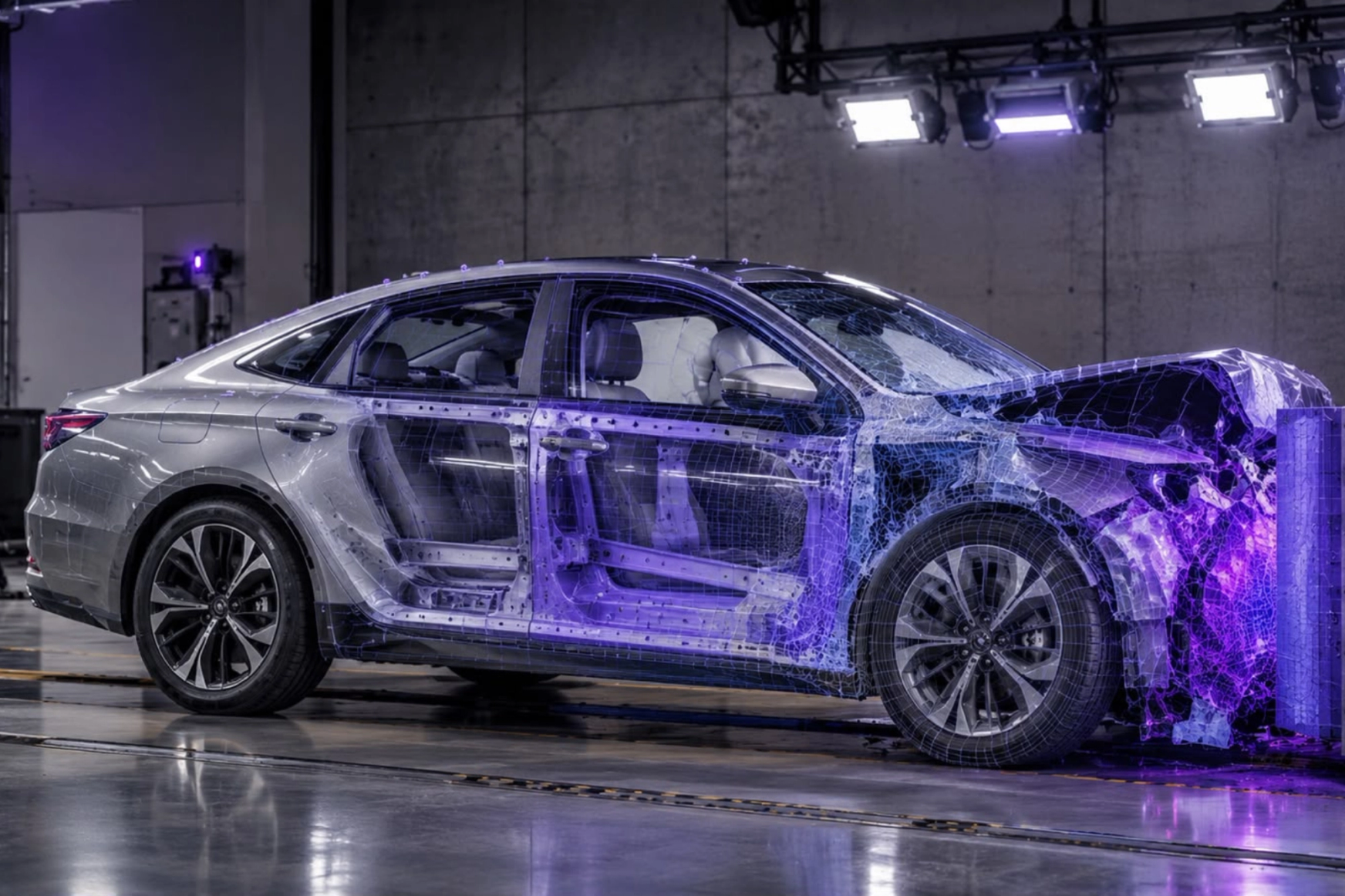
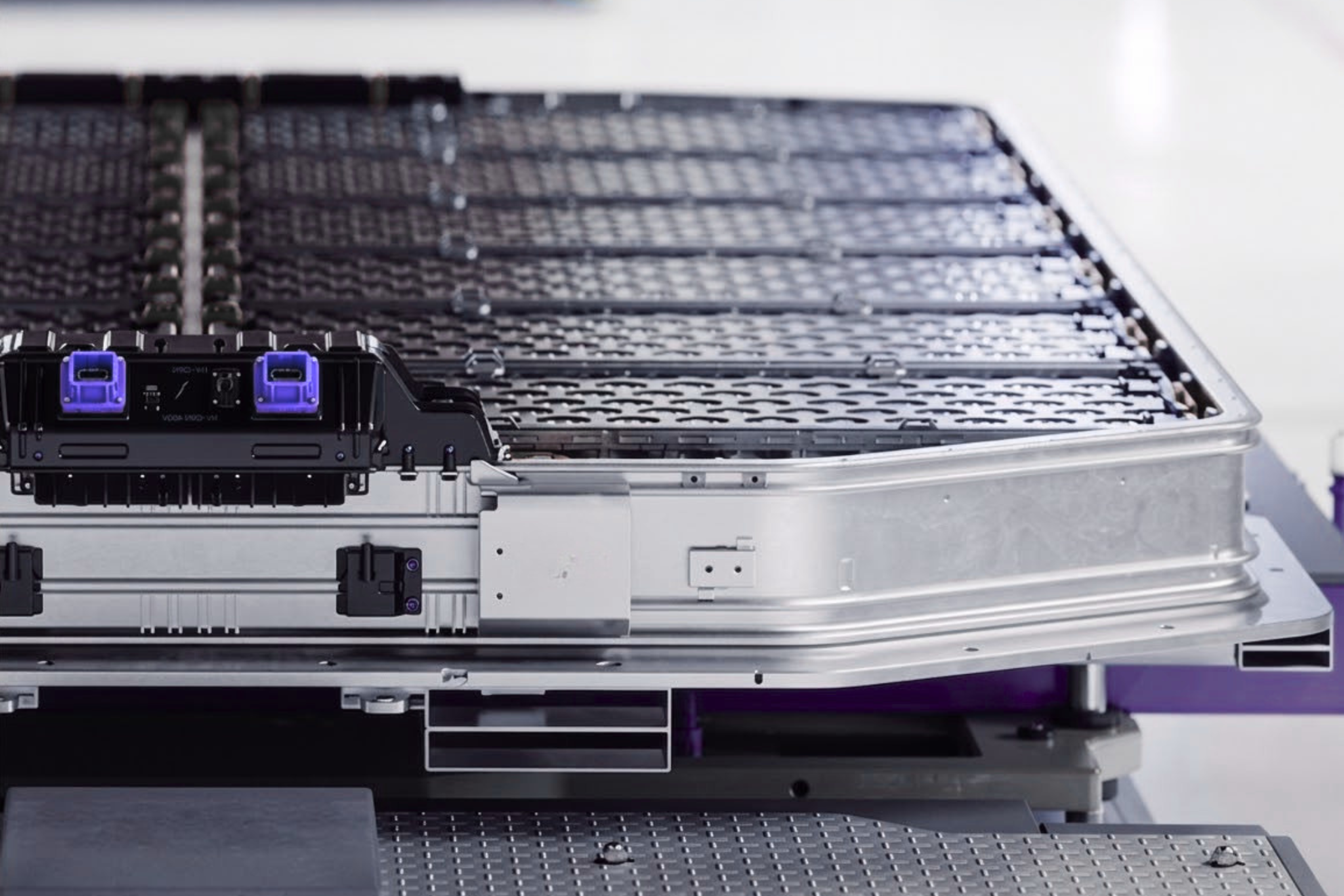
The early phases of battery housing development were shaped by manual, time-intensive processes. Creating design concepts, estimating cost and weight, and running mechanical (FEM) simulations often took weeks or months. As customer development cycles kept accelerating, the client needed a way to respond to RFQs faster and more flexibly.
The challenge
How vetta changes the process
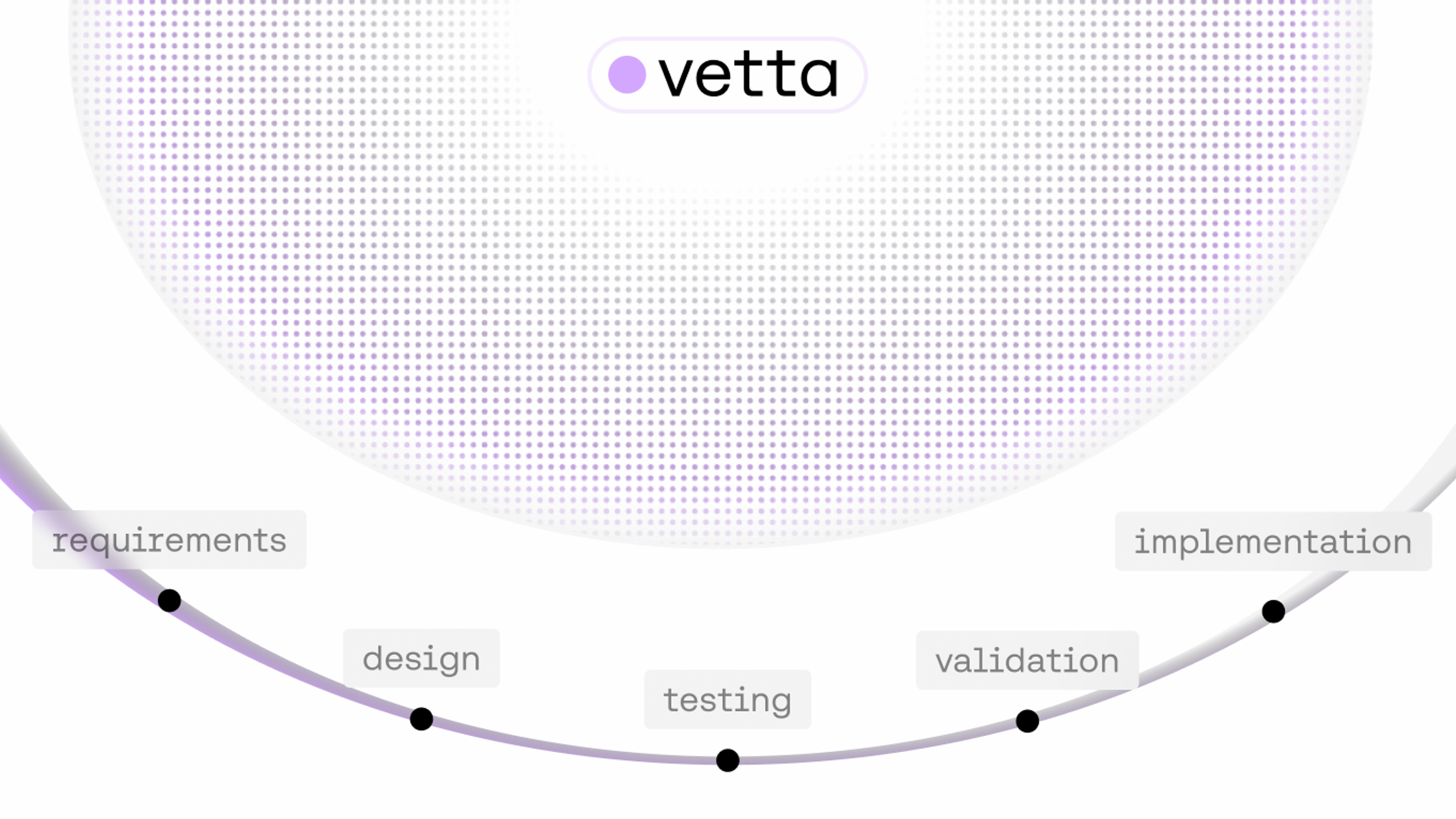
vetta combines historical tests, simulations and new validation data into a single battery intelligence model. Weeks of testing become years of insight.
The approach
Sphere pursued a modular, AI-based approach:
Phase 1: Automation & Data Foundation
Building a material and cell database, and developing algorithms for automated feature extraction from CAD models to drive weight and manufacturing-cost estimation.
Phase 2: Mechanical Intelligence & Optimization
Extending the platform with a finite element model (FEM) surrogate model that predicts mechanical performance (stiffness, deformation) in near real time, plus a multi-objective optimization engine to balance cost, weight and stiffness. Parametric CAD variant generation and RFQ were developed in parallel as specialized work streams rather than native platform features.
Phase 3: Generative Design
Full integration of generative AI to automatically create optimized CAD designs based directly on customer requirements.
What changes for the engineer
Instead of manually estimating cost and weight, waiting weeks for FEM results, and re-keying customer specifications by hand, the engineer works from a single environment: CAD models and RFQs go in, and cost, weight, and structural predictions come back in minutes. Design variants that once required a full simulation cycle to compare can now be explored and refined interactively, leaving more time for engineering judgment and less for waiting.
The result
The project delivered a working, end-to-end AI design pipeline, moving the client from manual, sequential workflows to an integrated, data-driven design environment used in day-to-day engineering work.
Automated data pipeline: reads CAD files and automatically computes the Bill of Materials (BoM), weight, and material cost
AI cost model: a neural network pre-trained on 60,000+ CAD files to identify manufacturing-relevant features
Simulation acceleration: an automated simulation pipeline that generated 270 FEM results over a single holiday break
Frontend integration: all algorithms combined into a single web-based interface for visualization and variant comparison